





Spice Guides
Yellow Chilli Powder: What It Is and How to Use It
Golden colour, gentle heat and a fruity aroma. What yellow chilli powder is, how it differs from red chilli powder, and the best ways to cook with it.
Yellow chilli powder is made by drying and grinding chillies that ripen yellow instead of red. It has a gentle to medium heat, a fruity aroma and a natural golden colour. Use it where you want warmth and flavour without turning a dish fiery or red: dals, marinades, pickles, paneer, potatoes and snacks.
Most kitchens keep one chilli powder, and it is almost always red. Yellow chilli powder is far less common, which is a shame, because it does a job red chilli cannot. It brings warmth and a bright, fruity character while letting the colour of the dish stay light and golden.
What it is
Yellow chilli powder comes from chilli varieties whose pods turn yellow when fully ripe. The pods are dried in the sun and ground into a fine powder. Pure yellow chilli powder is a pale to deep golden colour. Its colour comes from the chilli itself, not from turmeric or added dye.
How hot is it
Yellow chilli is usually milder than the hot red chilli powders sold in most shops. The heat builds slowly and fades gently, so it warms a dish without burning the tongue. Heat always varies from crop to crop, so taste as you go the first time you use a new pack.
Yellow chilli powder vs red chilli powder
- Colour: red chilli turns food red or orange; yellow chilli keeps it light and golden.
- Heat: yellow chilli is usually gentler, while many red chilli powders are sharper and hotter.
- Aroma: yellow chilli has a fruity, slightly tangy smell; red chilli smells deeper and smokier.
- Best for: red chilli suits rich red curries; yellow chilli suits light gravies, white and yellow dishes, pickles and dry snacks.
Five easy ways to use it
- Dal tadka: add a pinch to the hot oil or ghee with cumin and garlic, just before pouring it over the dal.
- Marinades: mix it with yoghurt, ginger, garlic, salt and lemon for paneer, chicken or vegetables. The colour stays bright after grilling.
- Pickles: yellow chilli is a classic in many home-style mango and lemon pickles.
- Potatoes and snacks: sprinkle it over roasted potatoes, fried peanuts, makhana or popcorn with a little salt.
- Light gravies: use it in cashew or yoghurt-based gravies where red chilli would spoil the pale colour.
A quick cooking tip
Like all ground spices, yellow chilli powder can burn in very hot oil. Add it to warm oil for only a few seconds, or stir it into the dish with a splash of water. Burnt chilli turns bitter and loses its colour.
How to check it is pure
Stir half a teaspoon into a glass of water. Pure chilli powder slowly settles and leaves only a faint tint. If the water quickly turns bright yellow or orange, or a gritty layer sinks to the bottom, the powder may contain added colour or fillers.
How to store it
Keep it in an airtight jar, away from heat, light and steam. Use a dry spoon every time. Ground chilli loses colour and aroma over time, so buy smaller packs and use them within a few months.
Our yellow chilli powder
Our yellow chilli is sourced from Uttarakhand and ground in small batches to keep its natural colour, aroma and gentle heat. There are no colour enhancers and no fillers, only the chilli itself.
You may also like
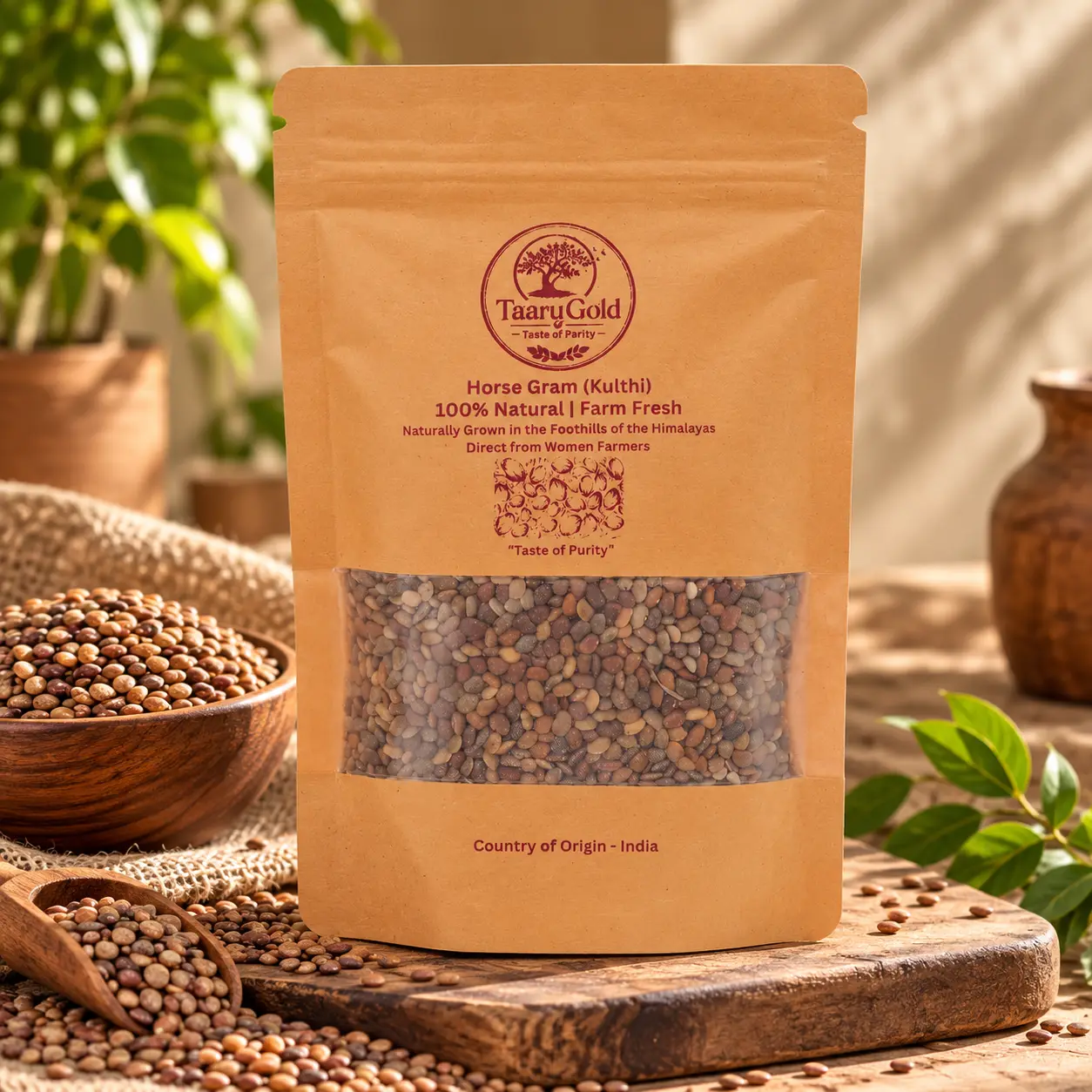
Horse Gram: The Humble Hill Pulse Worth Knowing
Hardy, earthy and full of flavour, horse gram has fed hill families for generations. What it is, how it tastes and three easy ways to cook it.
Read more
How to Tell if Your Turmeric Powder Is Pure
Turmeric is one of the spices most often stretched with fillers or brightened with colour. Four simple checks you can do at home in two minutes.
Read moreCoriander Seeds vs Coriander Powder: When to Use Which
Same plant, two very different jobs. When to reach for whole coriander seeds, when powder works better, and how to make fresh coriander powder at home.
Read more