


Spice Guides
Horse Gram: The Humble Hill Pulse Worth Knowing
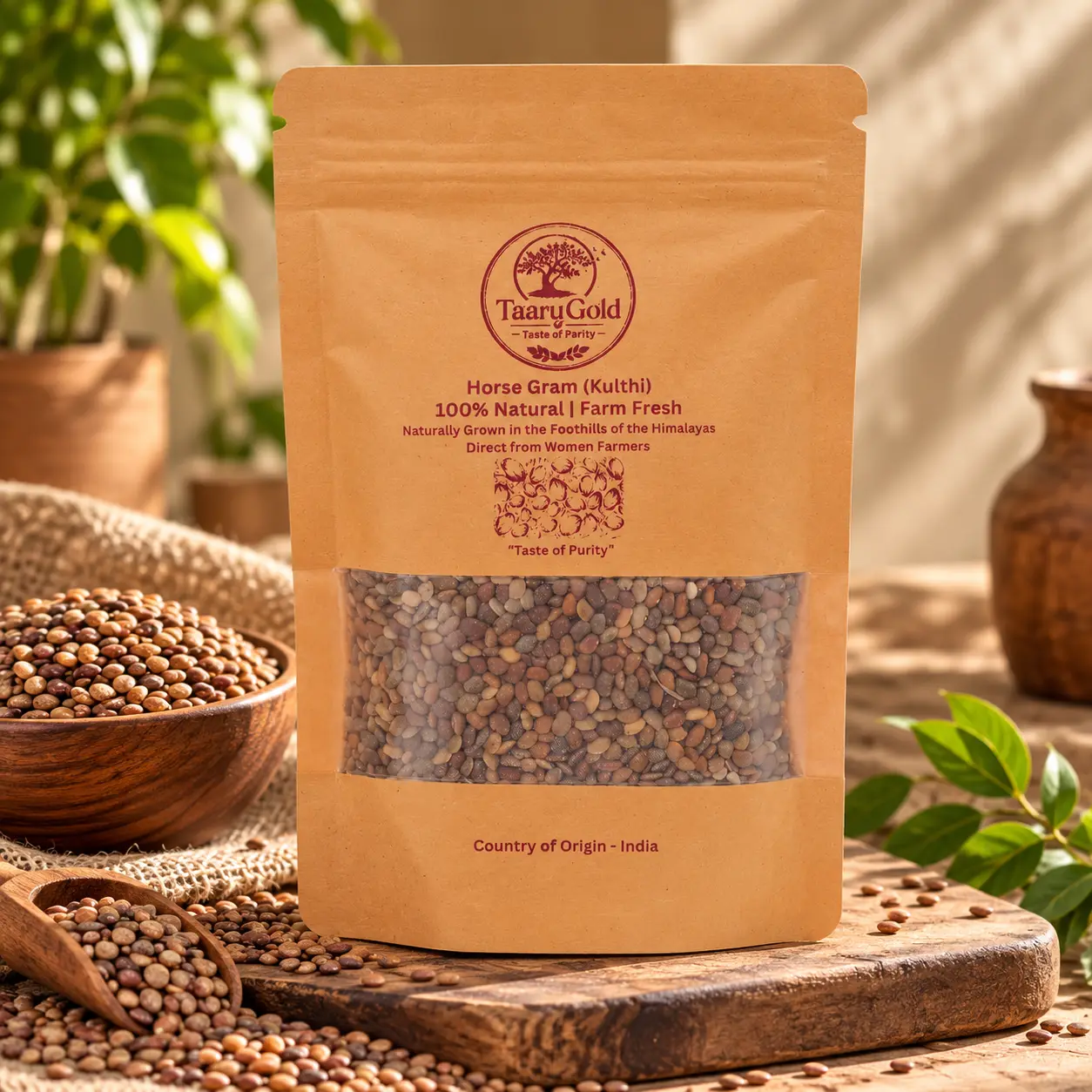
Hardy, earthy and full of flavour, horse gram has fed hill families for generations. What it is, how it tastes and three easy ways to cook it.
Horse gram is a small, flat, brown pulse called gahat in Uttarakhand and kulthi in much of India. It has an earthy, nutty taste and is a traditional hill staple. Rinse and soak it overnight, then pressure-cook until soft for gahat dal, a thick soup, or a stuffing for parathas.
Horse gram is one of the oldest pulses grown in India, and one of the least known in city kitchens. In the hills it has been an everyday staple for generations, and once you have cooked with it, it is easy to see why.
What it is
Horse gram is a small, flat, reddish-brown seed. The plant is remarkably hardy: it grows on poor, rocky soil with very little water, which is why it has always been at home on hill farms where other crops struggle.
How it tastes
Cooked horse gram is earthy and nutty, with a firm bite that holds up well in long-simmered dishes. It is heartier than most pulses, which makes it perfect for cold evenings.
Why people love it
Horse gram is naturally rich in protein and fibre, and it is a filling, wholesome addition to everyday meals. Traditionally it has been cooked as a warming food in the cooler months.
How to prepare it
- Rinse the seeds well and pick out any small stones or husks.
- Soak them overnight in plenty of water.
- Pressure cook for 6 to 8 whistles, until soft. Horse gram takes longer to cook than most pulses, so do not skip the soaking.
Three easy ways to cook it
- A simple soup: simmer cooked horse gram with garlic, cumin, black pepper and tomato, then blend lightly. Finish with lemon juice.
- A dry stir-fry: toss cooked horse gram with mustard seeds, curry leaves, onion and grated coconut.
- A hearty curry: cook it like any lentil curry with onion, tomato, turmeric and coriander powder, and let it simmer until thick.
Our horse gram
Our horse gram is grown in the foothills of the Himalayas and comes directly from the farmers who grow it. It is cleaned and packed with nothing added, just as it comes from the field.
You may also like
Yellow Chilli Powder: What It Is and How to Use It
Golden colour, gentle heat and a fruity aroma. What yellow chilli powder is, how it differs from red chilli powder, and the best ways to cook with it.
Read more
How to Tell if Your Turmeric Powder Is Pure
Turmeric is one of the spices most often stretched with fillers or brightened with colour. Four simple checks you can do at home in two minutes.
Read moreCoriander Seeds vs Coriander Powder: When to Use Which
Same plant, two very different jobs. When to reach for whole coriander seeds, when powder works better, and how to make fresh coriander powder at home.
Read more